Plant Sources
Plant Protein for Dogs: What It Can (and Can't) Do in a Canine Diet
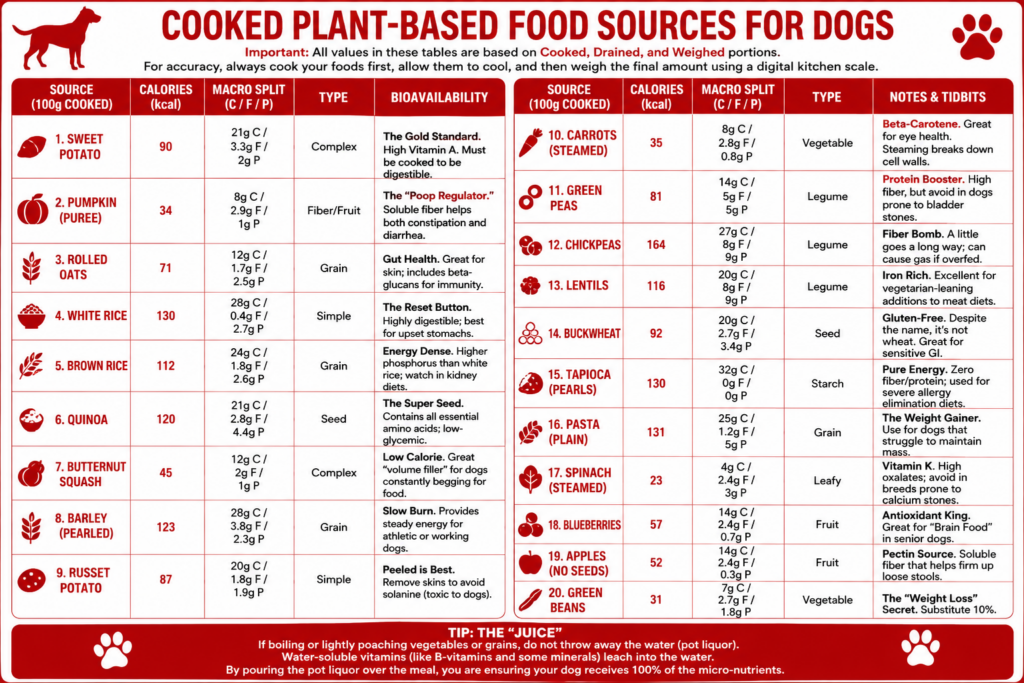
Dogs are not obligate carnivores in the strict biological sense — they can digest and use plant protein — but most individual plant sources are missing or low in at least one of the ten essential amino acids a dog needs, which is why plant proteins are typically combined rather than fed alone. Soybeans and quinoa are the exceptions, technically classified as “complete” proteins on their own. The bigger conversation around plant protein in dog food right now isn’t really about amino acids, though — it’s about the FDA’s ongoing investigation into a possible link between legume-heavy diets and a heart condition called dilated cardiomyopathy (DCM), a real and unresolved question that deserves a straight answer, not a dismissal in either direction.
Let’s start with the DCM question, because it’s the one people actually came here for
If you’ve spent any time researching grain-free or legume-heavy dog food, you’ve run into this. In 2018, the FDA opened an investigation after veterinary cardiologists reported dilated cardiomyopathy — a disease where the heart muscle weakens and enlarges — in dog breeds with no known genetic predisposition to it. When the agency dug into the diets involved, a pattern showed up: more than 90% of the implicated foods were grain-free, and 93% contained peas and/or lentils as a primary ingredient, with a smaller share (around 42%) also containing potatoes.
Here’s where most articles on this topic stop, and where we think it’s worth being more careful. The FDA has been explicit that this is a correlation observed in reported cases, not a proven causal mechanism — and the agency stopped issuing regular public updates in 2023, saying it would only resume if there was meaningful new science to report. Later research has muddied the taurine-deficiency theory that dominated the early coverage: taurine isn’t actually classified as an essential amino acid for dogs, since they can synthesize it from methionine and cysteine, and FDA lab testing found that grain-free and grain-containing products had similar taurine and methionine-cystine levels on average. More recent hypotheses point toward bile acid metabolism or carnitine regulation instead, and a study published in 2025 found no cardiac changes in dogs fed complete, well-balanced diets — grain-free or grain-inclusive — over 18 months.
Where does that leave a plant-protein-curious dog owner? Probably here: legumes aren’t proven guilty, but they’re not cleared either, and the ingredients most consistently associated with reported cases (peas, lentils, and to a lesser extent potatoes) are worth using thoughtfully rather than as the dominant protein source in an unbalanced homemade diet. This is exactly the kind of decision we think is worth running past your vet if you’re building a plant-forward plan, particularly for breeds already known to carry some genetic DCM risk.
The amino acid math nobody puts on the label
Dogs need ten essential amino acids they can’t produce on their own, and this is where plant protein gets more nuanced than a simple gram count.
Almost every individual plant protein is short on at least one of these — nutritionists call it the “limiting amino acid,” because the body can only build new protein at the rate its scarcest essential amino acid allows, no matter how abundant everything else is. In practice, this tends to split cleanly along ingredient lines: legumes like lentils, chickpeas, and peas run high in lysine but come up short on methionine, while grains and potato protein tend to run the opposite way — generous in methionine, thinner on lysine. Pair a legume with a grain or with potato protein, and the two gaps largely cancel out, the same logic behind rice-and-beans in human nutrition, just applied with more precision.
Two plant sources sidestep this problem almost entirely. Soybeans and quinoa both naturally contain all ten essential amino acids in meaningful amounts, which is the specific reason you’ll see either one show up as an anchor ingredient in serious plant-forward dog food formulations rather than as a token addition. Soy’s one real limitation is a comparatively lower methionine level next to animal protein, and it also sits on most lists of common canine food allergens — worth knowing if you’re formulating for a dog with a sensitive history, even though true soy allergies are less common in dogs than the internet’s reputation for soy might suggest.
Ten plant protein sources, and where each one actually fits
Soybeans (cooked) are the standout of this list for a reason already covered above — a complete amino acid profile in a single ingredient, plus a reasonable calorie and fat load. The tradeoff is allergenic potential in sensitive dogs and a methionine level that benefits from pairing with a grain-based ingredient.
Lentils bring real value in iron and fiber at a very low fat cost, but they’re a textbook example of the lysine-rich, methionine-poor legume profile — genuinely useful in a varied diet, less useful as a stand-alone protein source.
Chickpeas follow a similar pattern: strong in lysine and complex carbohydrates, light on methionine, and best used alongside a grain or potato-protein source rather than carrying a diet’s protein load on their own.
Quinoa is the other complete protein on this list, and it earns the “pseudocereal” label because botanically it’s a seed, not a true grain — which is part of why it’s popular in grain-free formulations that still want a genuinely complete amino acid source rather than a legume-and-grain workaround.
Green peas are easy to digest and bring meaningful fiber and vitamin C, but they’re the specific ingredient the FDA’s DCM data flagged most consistently — worth using in moderation rather than as a primary protein anchor, pending more conclusive research.
Potato protein almost never shows up as whole potatoes in a bowl — it’s typically a concentrated extract used in commercial kibble specifically because of its strong methionine content, which makes it a useful complement to legume proteins. It’s also one of the ingredients the FDA’s data associated with reported DCM cases, though at a notably lower rate (around 42%) than peas and lentils.
Buckwheat is grain-free despite the name (it’s a seed, related to rhubarb, not wheat) and brings magnesium and copper along with a mild lysine contribution that helps balance legume-heavy recipes.
Oats are gentle on digestion and a solid source of B vitamins, with a modest protein contribution that’s more supportive than primary — useful for GI-sensitive dogs, less useful as a headline protein source.
Chia seeds are the outlier on this list nutritionally: genuinely high in protein for a seed, but even higher in fat, which pushes their calorie density well above everything else here. They’re most useful ground rather than whole, since whole chia seeds pass through digestion largely intact and don’t deliver much of that protein or omega-3 content to the dog eating them.
Brewer’s yeast isn’t a “protein source” in the traditional sense so much as a concentrated byproduct with a genuinely high protein percentage and a strong B-vitamin profile — it shows up more often as a palatability and micronutrient booster than as a diet’s structural protein.
Full reference table (cooked or prepared, per 100g)
| Plant Protein Source | Protein | Fat | Calories | Notable For |
|---|---|---|---|---|
| Soybeans (Cooked) | ~16.6g | ~9g | 173 kcal | One of the few naturally complete plant proteins |
| Lentils | ~9g | ~0.4g | 116 kcal | High iron and fiber; low fat; low in methionine |
| Chickpeas | ~8.9g | ~2.6g | 164 kcal | Strong in lysine and complex carbs; low in methionine |
| Quinoa | ~4.4g | ~1.9g | 120 kcal | Naturally complete amino acid profile; grain-free |
| Green Peas | ~5.4g | ~0.4g | 81 kcal | High fiber and vitamin C; most consistently flagged in FDA DCM data |
| Potato Protein* | ~75g** | ~0.5g | 370 kcal | High methionine; typically used as a concentrated kibble extract |
| Buckwheat | ~3.4g | ~0.6g | 92 kcal | Grain-free seed rich in magnesium and copper |
| Oats | ~2.5g | ~1.4g | 71 kcal | Gentle on digestion; provides B vitamins |
| Chia Seeds | ~16.5g | ~31g | 486 kcal | High protein and omega-3s; best ground, not whole |
| Brewer’s Yeast | ~48g** | ~1g | 325 kcal | Concentrated B vitamins and palatability, not a primary protein |
*Potato protein is almost always used as a concentrated powder in commercial food, not whole potatoes. **Values for concentrated powders/yeast reflect the dry ingredient, which is why the protein percentage looks disproportionately high compared to whole foods on this list.
How we use this at Build The Better Bowl
We don’t build plans around a single plant protein carrying the full nutritional load — the amino acid math above is exactly why. When a plant-forward or partially plant-based plan makes sense (supplementing a limited-ingredient diet, working around a specific animal-protein allergy, or simply adding variety), we pair complementary sources — a legume with a grain or potato protein, for instance — and we stay deliberately conservative with peas, lentils, and potato given the still-unresolved DCM research. If your dog is a breed already flagged for elevated genetic DCM risk, or you’re considering a diet where plant protein is doing most of the work rather than supplementing an animal-protein base, that’s a conversation worth having with your vet before you commit to it, not after.
Frequently asked questions
Can dogs get complete protein from plants alone? Some dogs can be maintained on a well-formulated all-plant diet, but it takes deliberate ingredient pairing to work. Most individual plant proteins are short on one essential amino acid, so a viable plant-based diet typically combines complementary sources — a legume with a grain or potato protein — or relies on one of the naturally complete plant proteins, soy or quinoa, as an anchor.
Is it true that peas and lentils cause heart disease in dogs? It’s not proven, but it’s also not dismissed. The FDA identified a strong statistical association between legume-heavy, grain-free diets and reported cases of non-hereditary dilated cardiomyopathy, but has been clear that a causal mechanism hasn’t been confirmed, and more recent research has cast doubt on the original taurine-deficiency theory. The honest current answer is “use these ingredients thoughtfully, not as a diet’s sole protein foundation, and loop in your vet if you’re building a legume-heavy plan.”
Which plant protein is closest to a complete amino acid profile? Soybeans and quinoa are the two most commonly cited naturally complete plant proteins for dogs, meaning each contains meaningful amounts of all ten essential amino acids on its own. Most other plant proteins need to be paired with a complementary source to close their specific amino acid gap.
Is soy safe for dogs, or is it a common allergen? Soy shows up on many lists of common canine food allergens, so it’s worth caution in a dog with a known food sensitivity history. That said, properly processed soy (with anti-nutritional factors reduced) is well digested by most dogs, and true soy allergy is less common in practice than its reputation suggests.
Why is potato protein in dog food usually a powder instead of real potatoes? Whole potatoes contain a lot of starch and water relative to protein, so commercial food manufacturers extract a concentrated potato protein isolate specifically for its strong methionine content, using it to balance out legume proteins that tend to run low in that same amino acid.
Sources
- U.S. Food & Drug Administration, “FDA Investigation into Potential Link between Certain Diets and Canine Dilated Cardiomyopathy” and related Q&A updates
- Journal of Animal Science and related peer-reviewed studies on digestible indispensable amino acid scores (DIAAS) in canine plant protein ingredients
- Association of American Feed Control Officials (AAFCO) Nutrient Profiles
This page is for general educational purposes and isn’t a substitute for individualized guidance from your veterinarian — particularly if you’re considering a plant-forward or grain-free diet for a breed with elevated genetic DCM risk.